
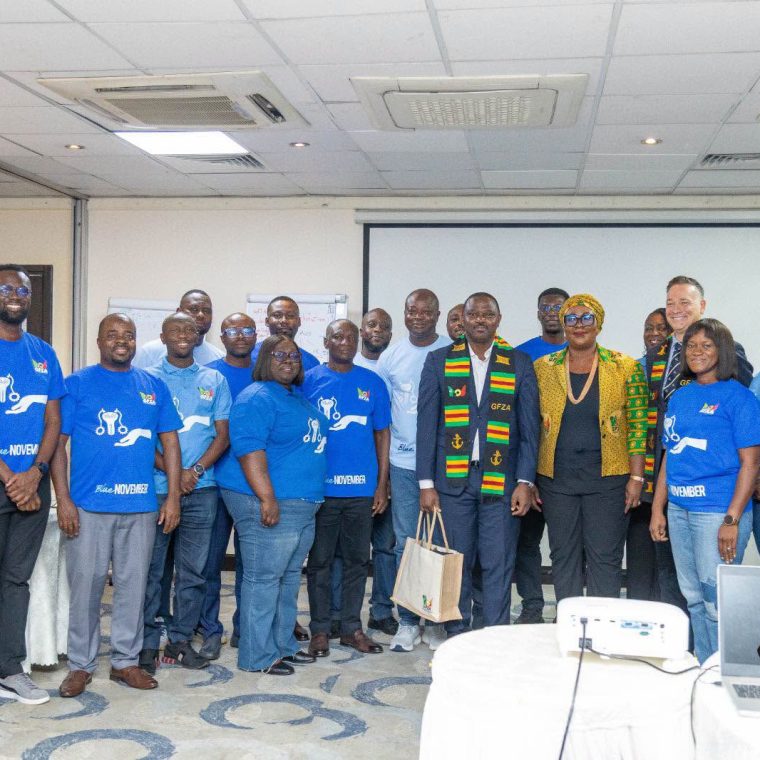

Accra, November 2026
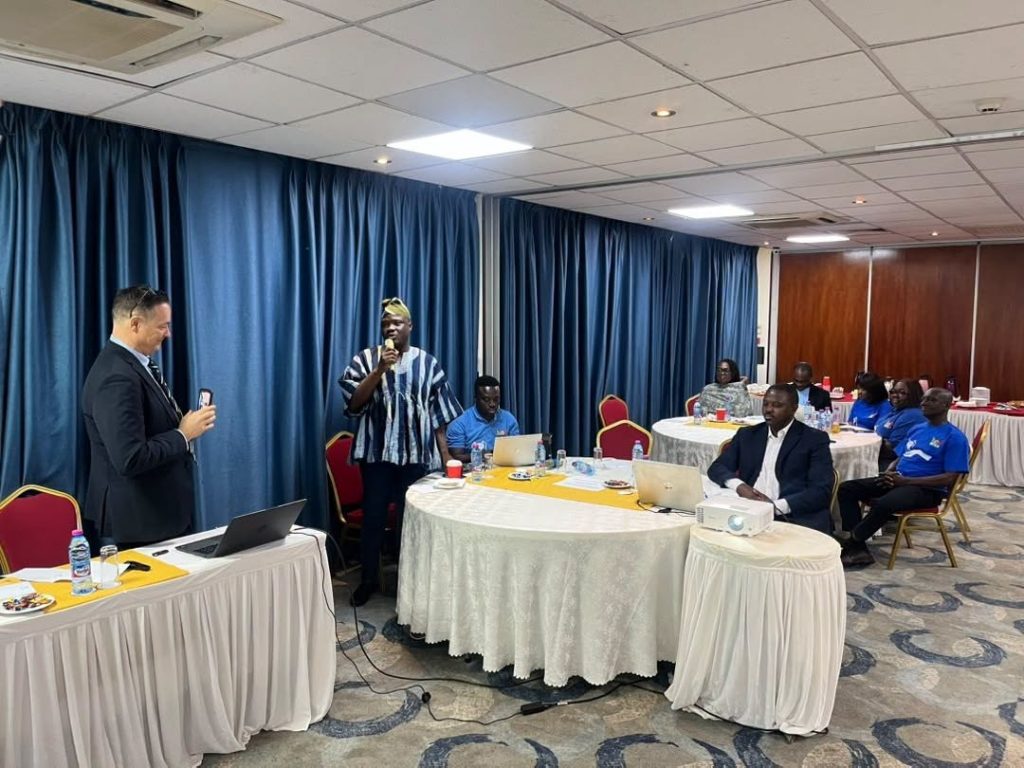
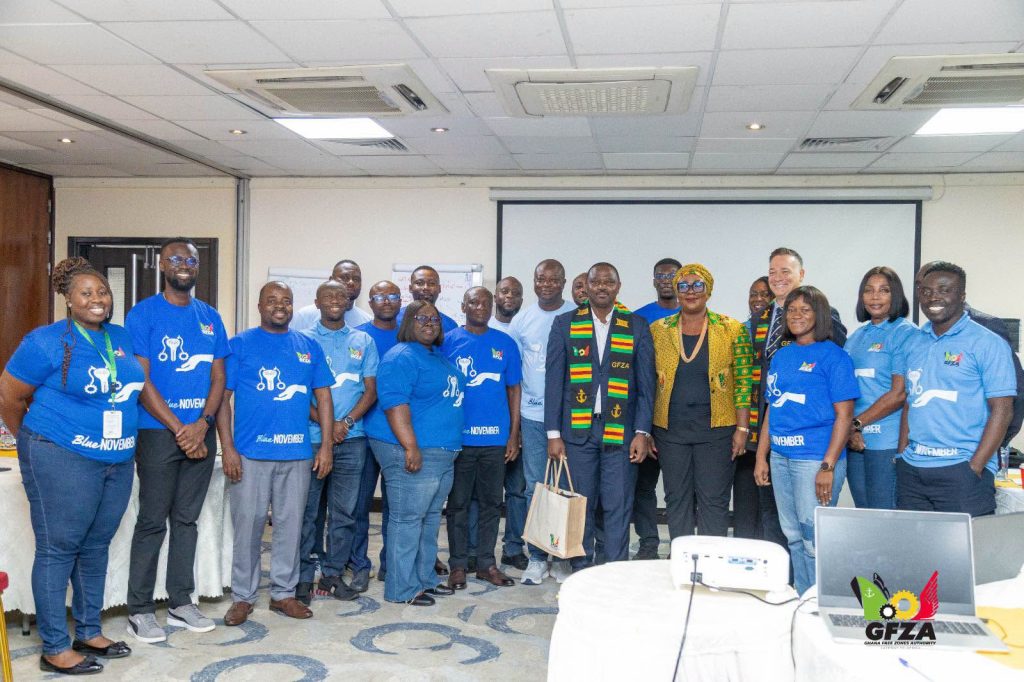
The Ghana Free Zones Authority (GFZA), with sponsorship from the United Nations Industrial Development Organization (UNIDO), organized a five-day capacity-building programme for twenty (20) management staff on the transition from traditional Export Processing Zones (EPZs) to Special Economic Zones (SEZs). The programme forms part of the Authority’s efforts to strengthen its institutional capacity and prepare for the adoption of international best practices in zone development and management.
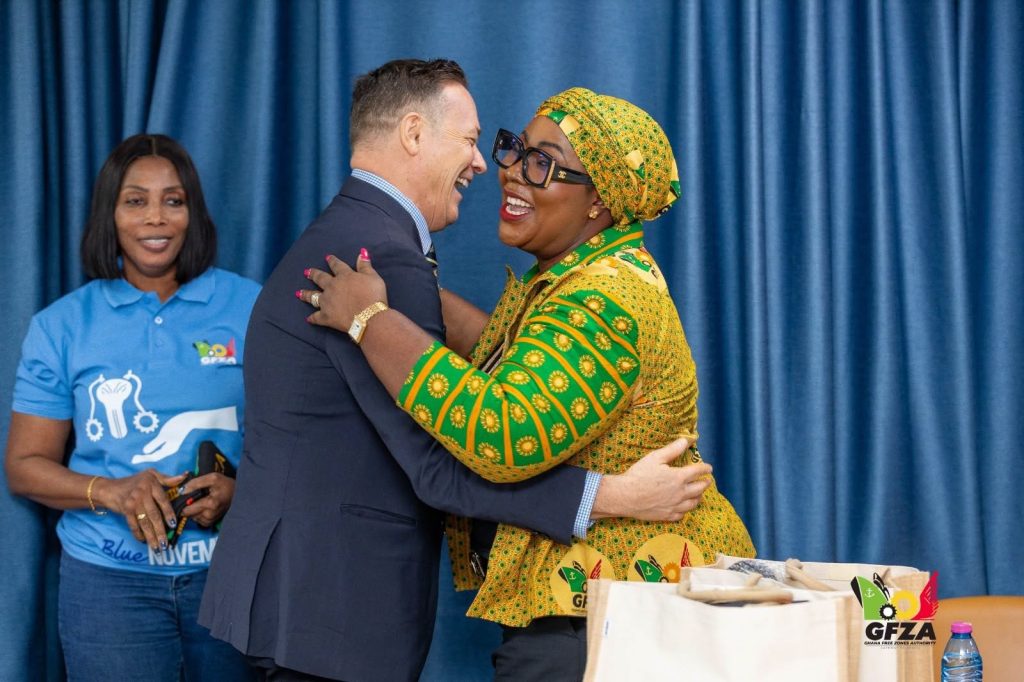
Held from 9th to 13th November 2026, the programme brought together the Authority’s Directors, Heads of Departments and Deputy Chief Executives. It was facilitated by Mr. Jean Paul Gauthier, a Senior Advisor to UNIDO, who shared expert insights and international perspectives on the strategic, policy and operational considerations involved in transitioning to the SEZ model. Also present was Mr. Ngassam Achille Paulin, National Coordinator in charge of Investment, UNIDO Sub-Regional Office in Central Africa.
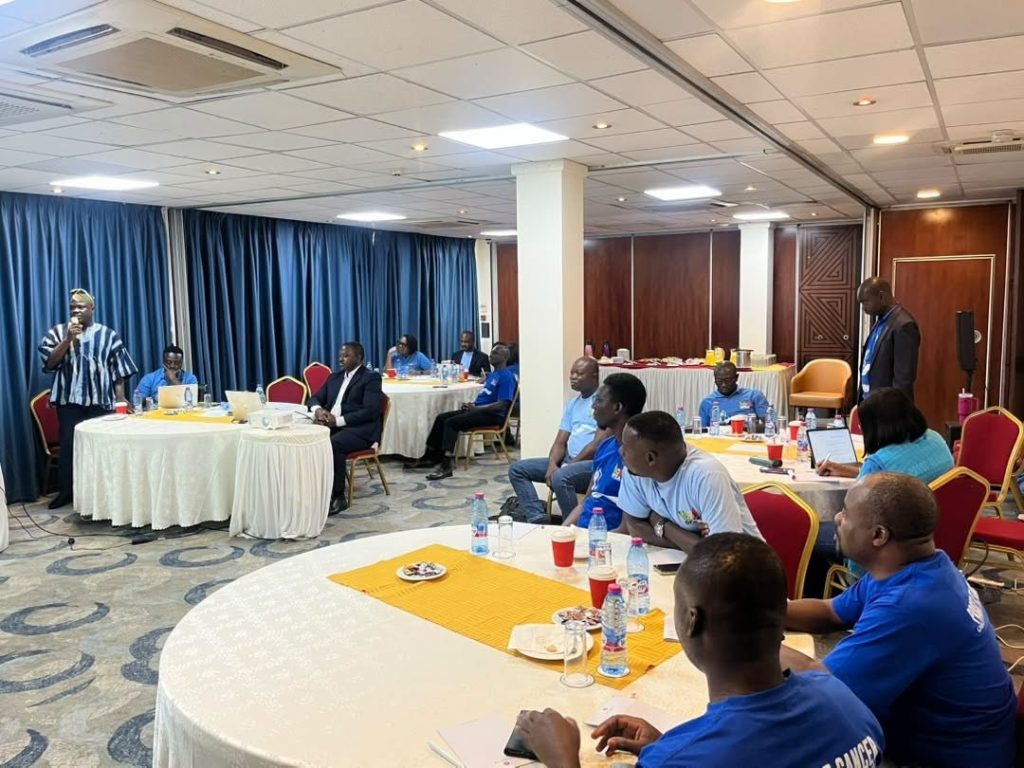
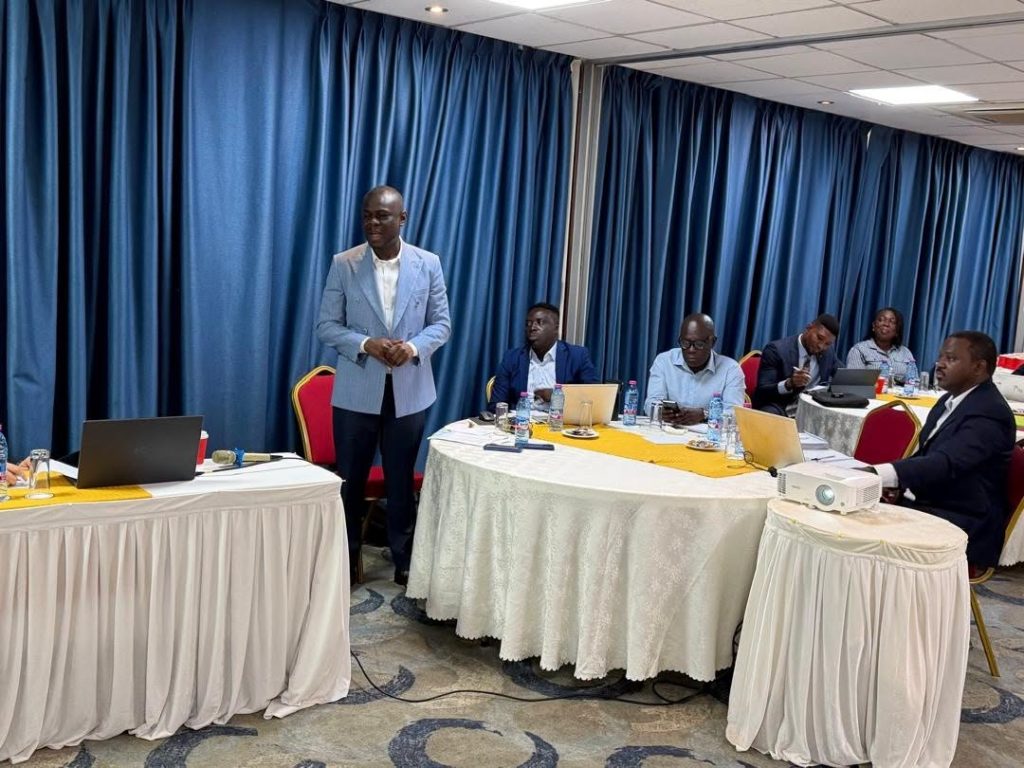
In his opening remarks, the Deputy Chief Executive Officer (Operations), Mr. Lateef Apau Wiredu, noted that the programme was particularly timely, as the Authority is pursuing the development of the Afienya Industrial Park. He emphasised the importance of equipping management with the requisite knowledge and skills to guide the Authority’s strategic direction and support the successful development of modern, competitive industrial zones.
The programme explored the evolving global landscape of special economic zones and the need for a more integrated and diversified approach to zone development beyond the traditional export-oriented model. Participants also gained insights into the policy frameworks, governance structures, institutional arrangements and operational reforms required to establish competitive, sustainable and investment-friendly SEZs.
The Deputy Chief Executive Officer (Finance & Administration), Mr. Hamidu Sibiri Musah, in his remarks, noted that the programme provided valuable insights and lessons that would be integrated into the Authority’s policies, strategies and operational processes to enhance its effectiveness in implementing the Free Zones Programme.
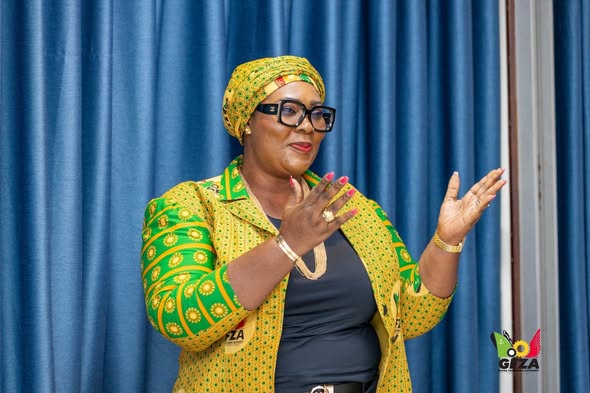
In her closing remarks, the Chief Executive Officer of the Authority, Dr. Mary Awusi, commended UNIDO for its support in strengthening the capacity of the Authority’s management team. She underscored the importance of the capacity-building programme to both the Authority and the country, noting that the knowledge and skills acquired would provide valuable policy guidance, inform the development of the Authority’s enclaves and equip staff to effectively drive the transition towards the SEZ model. She expressed the hope for deeper collaboration between the two institutions to support the continued development and transformation of Ghana’s Free Zones Programme.
As Ghana intensifies efforts to accelerate industrialisation, attract quality investments and strengthen its position in global value chains, the transition to the SEZ model offers an opportunity to expand the scope and impact of the Free Zones Programme through stronger local economic linkages, industrial diversification and sustainable employment creation.
The capacity building initiative reaffirms the Authority’s commitment to institutional transformation, continuous capacity development and the adoption of global best practices to position Ghana’s Free Zones Programme for greater competitiveness and long-term impact.